


 English
 عربى
عربى
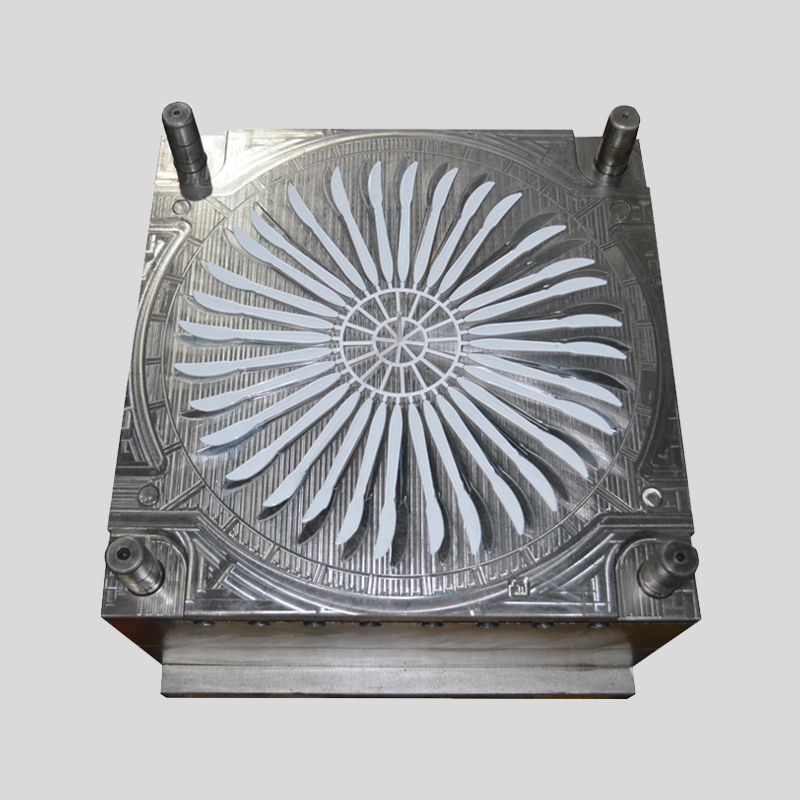
Our company specializes in custom manufacturing of thin‑wall drinking cup molds in various styles. Below is a detailed description of our manufacturing process for drinking cup molds.
Mold Material
The cavity and core of drinking cup molds are generally made of H13 or S136 grade steel or above. These high‑hardness materials achieve a hardness of approximately 50 to 55 HRC. For customers requiring higher performance, we can procure better grades of mold steel according to specific requirements.
Mold Design Software
We use UG, CAD, PRO/E, and the Moldflow simulation software for mold design. Moldflow analysis is used to optimize runner layouts and gate positions to ensure balanced filling and to identify potential weld line or air trap issues before manufacturing begins.
Mold Processing Equipment
Our main processing equipment includes radial drilling machines, surface grinders, gantry CNC milling machines, engraving and milling machines, deep‑hole drilling machines, and EDM machines. For mold trials, we use high‑speed Haitian injection molding machines ranging from 200T to 500T, depending on the cavity count.
Ejection System
The ejection system for thin‑wall drinking cup molds uses a combination of a stripper plate and pneumatic valves. The stripper plate is a critical component, requiring both high hardness and good toughness. All ejector pins are made of SKD61 high‑quality steel.
Cooling System
For thin‑wall drinking cup molds, cooling efficiency directly affects production output and, consequently, the unit cost of the product. The typical molding cycle for a thin‑wall cup is approximately 5 to 6 seconds when using high‑speed injection molding machines. Efficient cooling is essential to achieve such short cycle times.
Gate System
The gate system for drinking cup molds typically uses hot runner systems with pin‑point gates. For higher‑quality requirements, valve‑gated hot runner systems may be used to achieve better gate mark control, depending on the customer's choice.
Venting System
Proper venting is critical in thin‑wall molds. Given the high‑speed production nature of thin‑wall cup molding, the venting system must be carefully designed to allow trapped air to escape rapidly during filling, preventing burning and short shots.
Surface Hardness Treatment
Surface hardness treatment is important for thin‑wall drinking cup molds. The mold materials are processed using vacuum quenching to achieve hardness levels above 50 HRC. This ensures the mold can withstand the high pressures and rapid cycling of thin‑wall molding.
Mold Life
The service life of a drinking cup mold depends on the steel grade used and the molding conditions. H13 or S136 steel typically provides a mold life in the range of 500,000 to 1,000,000 cycles under normal production conditions, depending on the material being molded, cycle time, and maintenance practices. The actual service life may vary based on specific production requirements and operating conditions.
Shipping and Packaging
Before shipment, the mold surface is treated with anti‑rust protection, and safety locks are installed to secure the mold. The mold is then wrapped in plastic film.
Production Lead Time
The typical production Lead Time for drinking cup molds is approximately 45 to 65 days, depending on the complexity of the design and the number of cavities.
The above is a brief overview of our thin‑wall drinking cup mold manufacturing process. For more information, please contact us.

 86 - 576 - 84332017
 86 - 13634093909
 No. 85 Guangshun Street, Xinqian Street, Huangyan District, Taizhou City, Zhejiang