


 English
 عربى
عربى
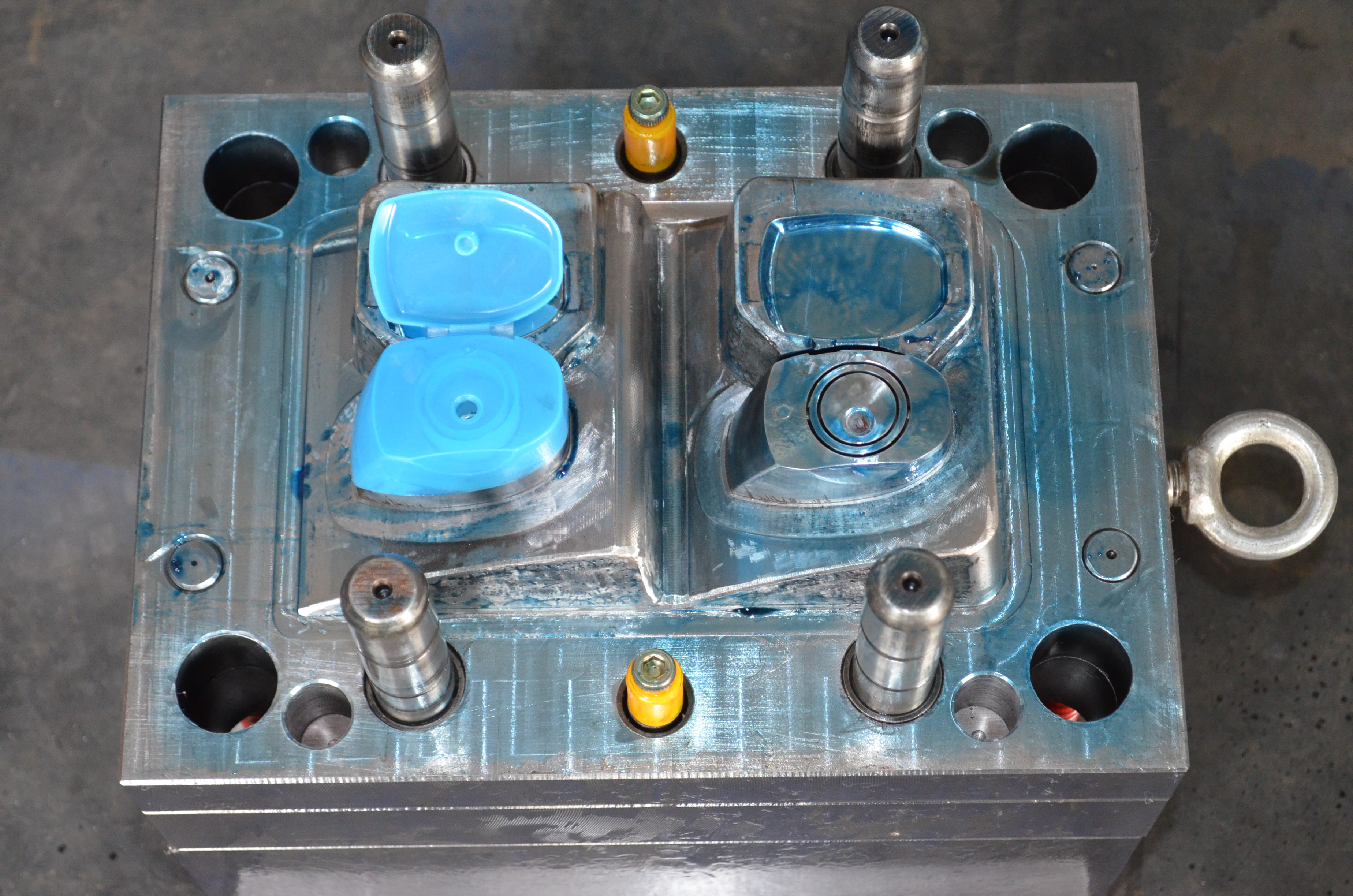
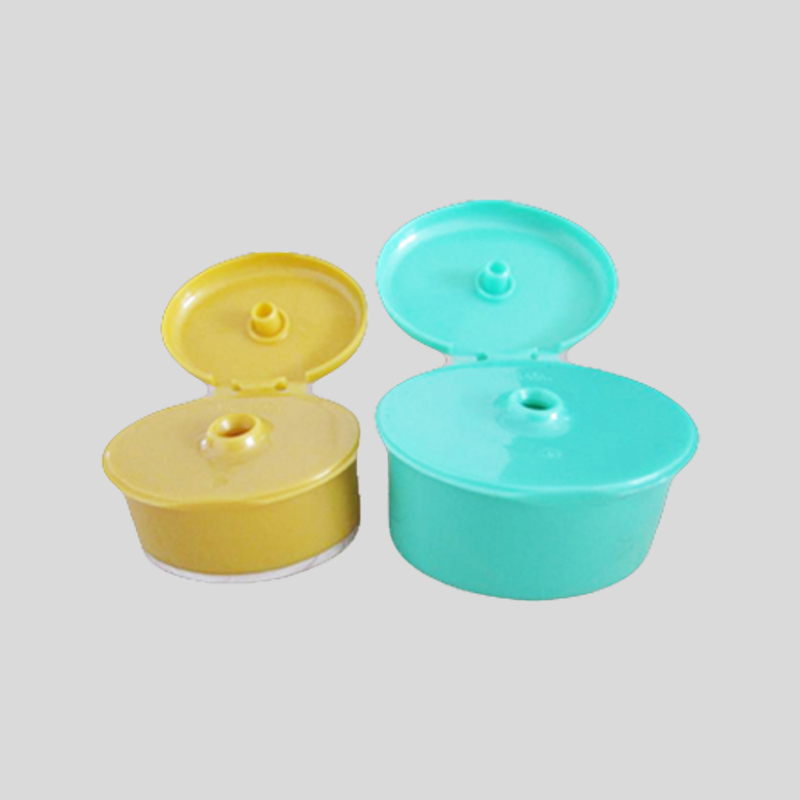
Beverage caps are typically produced in high‑cavity molds (e.g., 48 or 72 cavities) with thin walls and tight dimensional tolerances. During peak seasons, cap supply directly affects filling line efficiency. Therefore, achieving consistent high‑speed molding without sacrificing quality is a primary goal for cap manufacturers.
The cooling stage is the largest part of the injection cycle, often occupying 60‑80% of the total time. Reducing cooling time is one of the highly effective way to shorten the overall cycle. Key approaches include:
1.Efficient cooling circuit layout – Placing conformal cooling channels close to the core and cavity surfaces accelerates heat transfer, allowing faster solidification.
2.Hot runner systems – Eliminating cold runner cooling time and using valve‑gated nozzles to control gate sealing reduce cycle time and prevent stringing.
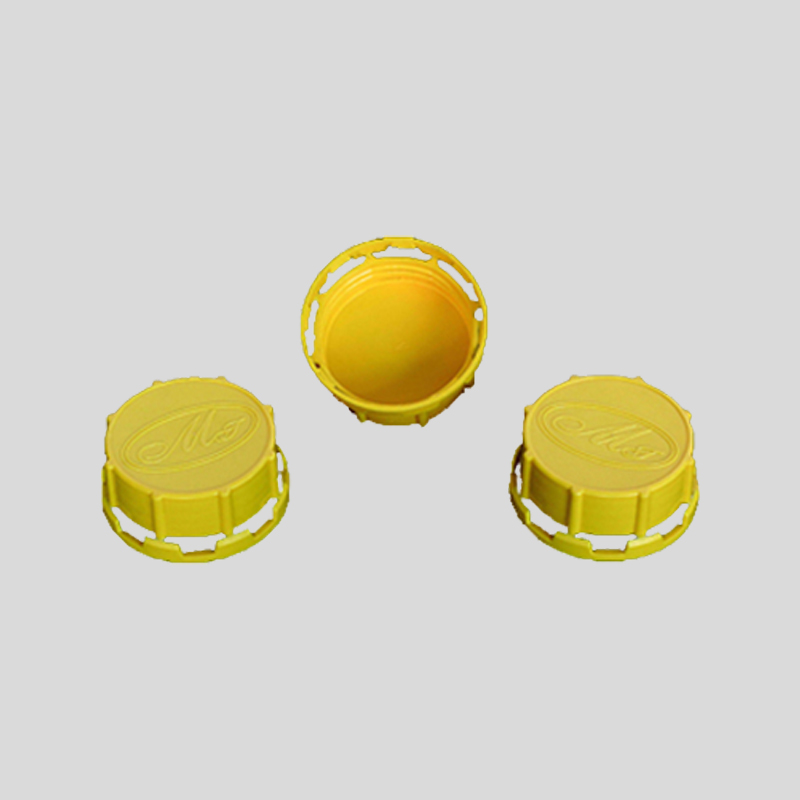
3.Automated unscrewing and ejection – Caps with internal threads or tamper‑evident bands require coordinated rotation and ejection. Optimizing the timing sequence shortens the demolding phase.
Material selection also matters. High‑flow HDPE or PP with MFR in the range of 10‑20 g/10min is commonly used. Mold flow analysis helps balance filling across multiple cavities. With proper mold temperature control (typically 30‑50°C) and well‑tuned injection parameters, stable cycle times can be achieved, supporting reliable high‑volume output.
In practice, many cap mold users aim for a total cycle time of 4–6 seconds per shot, depending on cap design and cavity count. To reach this, the cooling circuit design must be carefully simulated using thermal analysis software to minimize hotspots. Also, the use of beryllium‑copper inserts in the core is common because of its high thermal conductivity, which further shortens cooling. Regular cleaning of cooling channels is equally important to maintain heat transfer efficiency. With these approaches, a 48‑cavity mold can produce over 600,000 caps per day under stable conditions. For packaging manufacturers in the beverage, mineral water, or condiment industries, a well‑designed cap mold contributes to higher machine utilization and lower per‑part cost, making it a sound long‑term investment.
 86 - 576 - 84332017
 86 - 13634093909
 No. 85 Guangshun Street, Xinqian Street, Huangyan District, Taizhou City, Zhejiang