


 English
 عربى
عربى
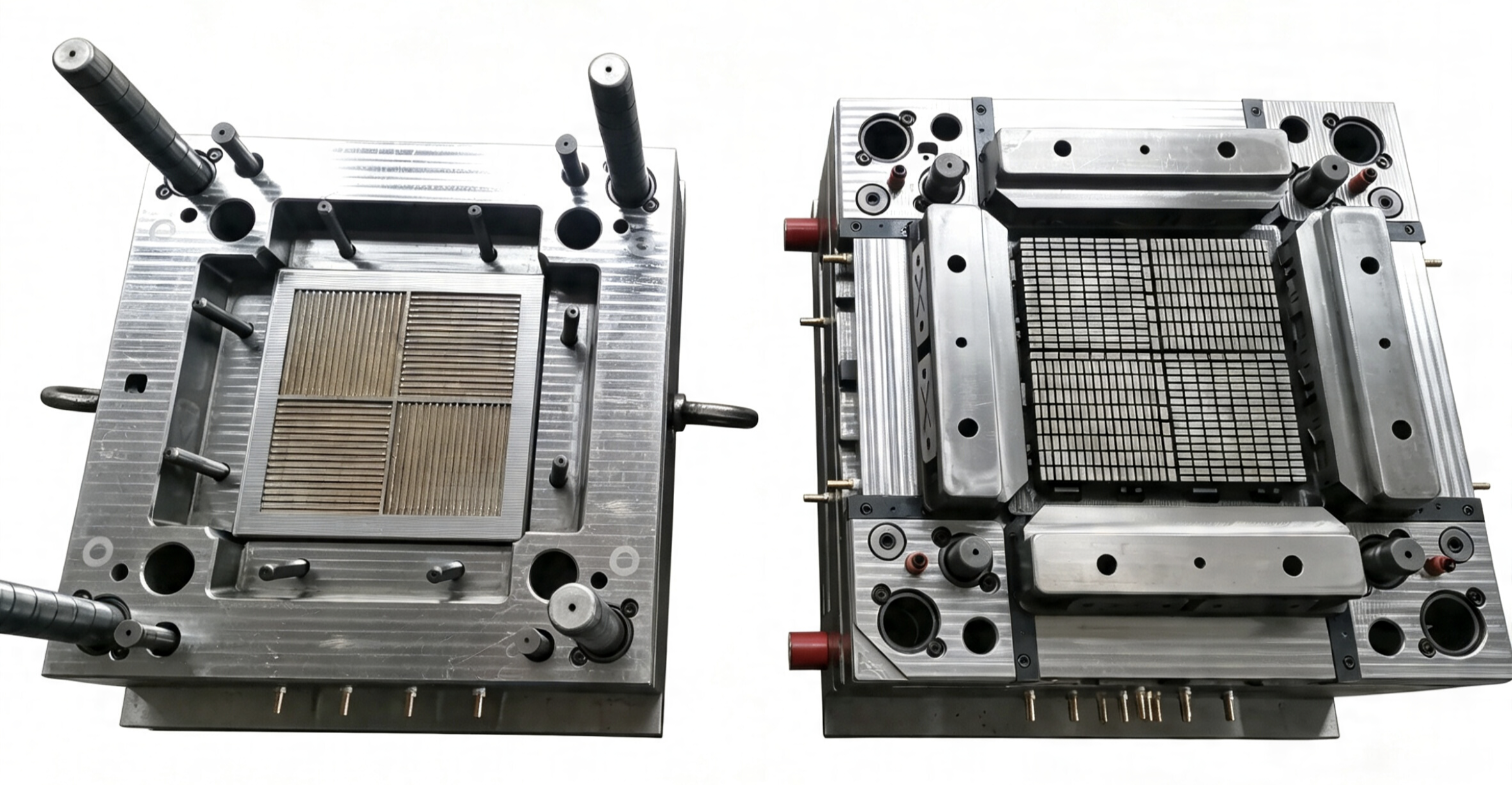
Plastic floor mats are used in residential, commercial, and automotive applications for anti-slip protection, decoration, and comfort. The mold design for floor mats must address surface texture, material flow, and durability requirements.
Texture and Pattern Formation
The surface of a floor mat typically features raised and recessed patterns that provide anti-slip functionality. These patterns are formed directly by the mold cavity surface. The cavity inner wall and bottom surface are machined with textured patterns that correspond to the desired product surface.
In-Mold Decoration
Some floor mats incorporate printed fabric or decorative layers that are bonded during the molding process. The fabric and anti-slip base layer are placed into the mold before injection. This approach eliminates the need for post-mold adhesive application, reducing labor and material costs and improving product quality by preventing fabric detachment.
In-Mold Insert for Multi-Color Designs
For multi-color floor mat designs, in-mold insert methods can be used to achieve decorative patterns with different colors using standard injection molds. Pre-formed inserts in different colors are placed into positioning slots on the mold core before injection. During molding, the inserts fuse with the main body, creating multi-color patterns without the need for specialized multi-color injection machines.
Mold Structure
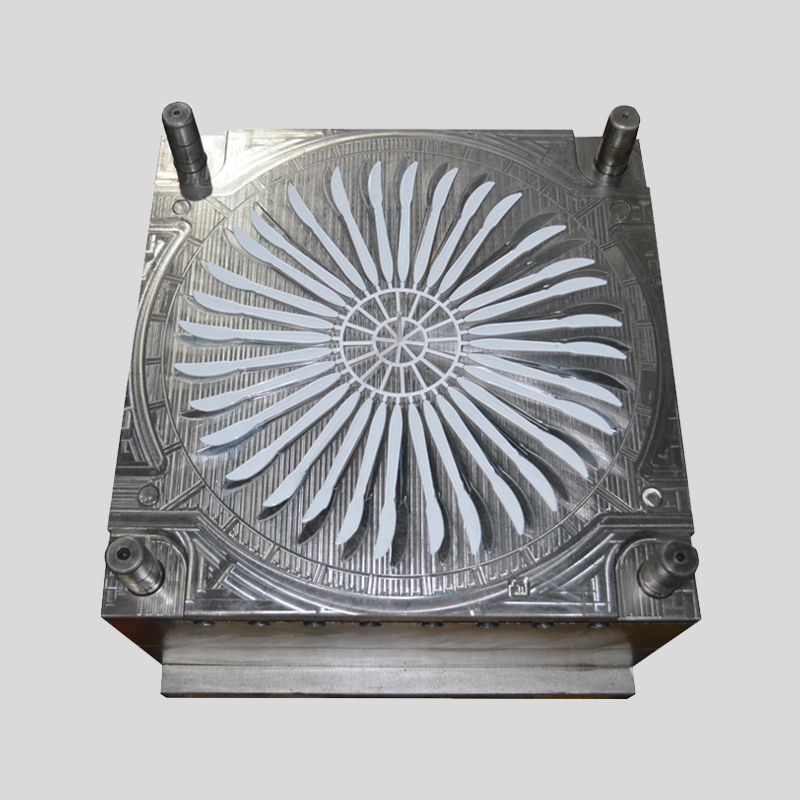
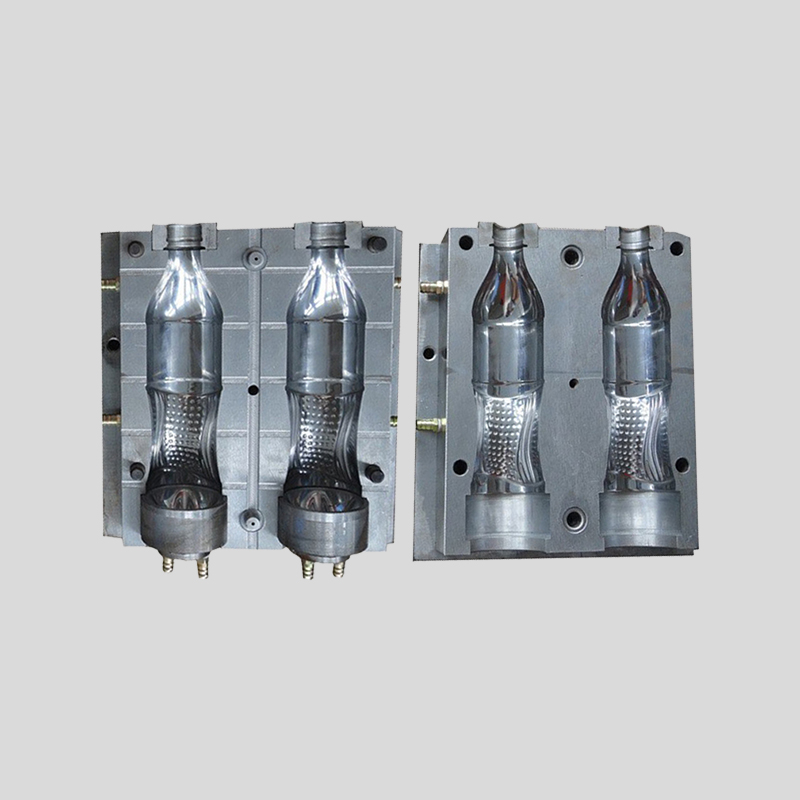
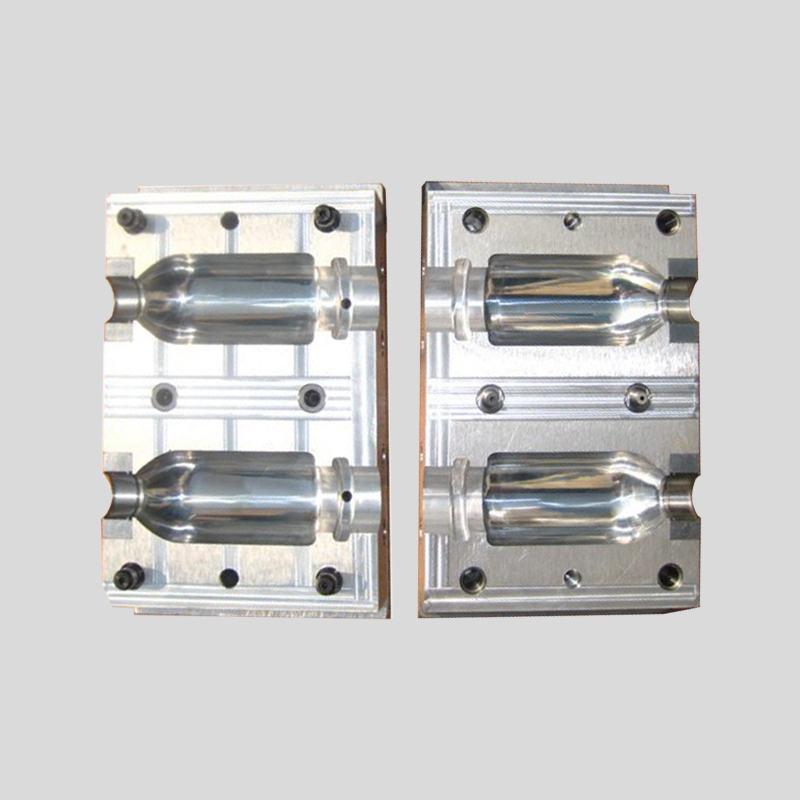
The injection mold for floor mats consists of multiple components including the molding cavity where molten plastic is injected, cooled, and solidified. After cooling, the mold opens and the ejection system pushes the finished mat out.
 86 - 576 - 84332017
 86 - 13634093909
 No. 85 Guangshun Street, Xinqian Street, Huangyan District, Taizhou City, Zhejiang