


 English
 عربى
عربى
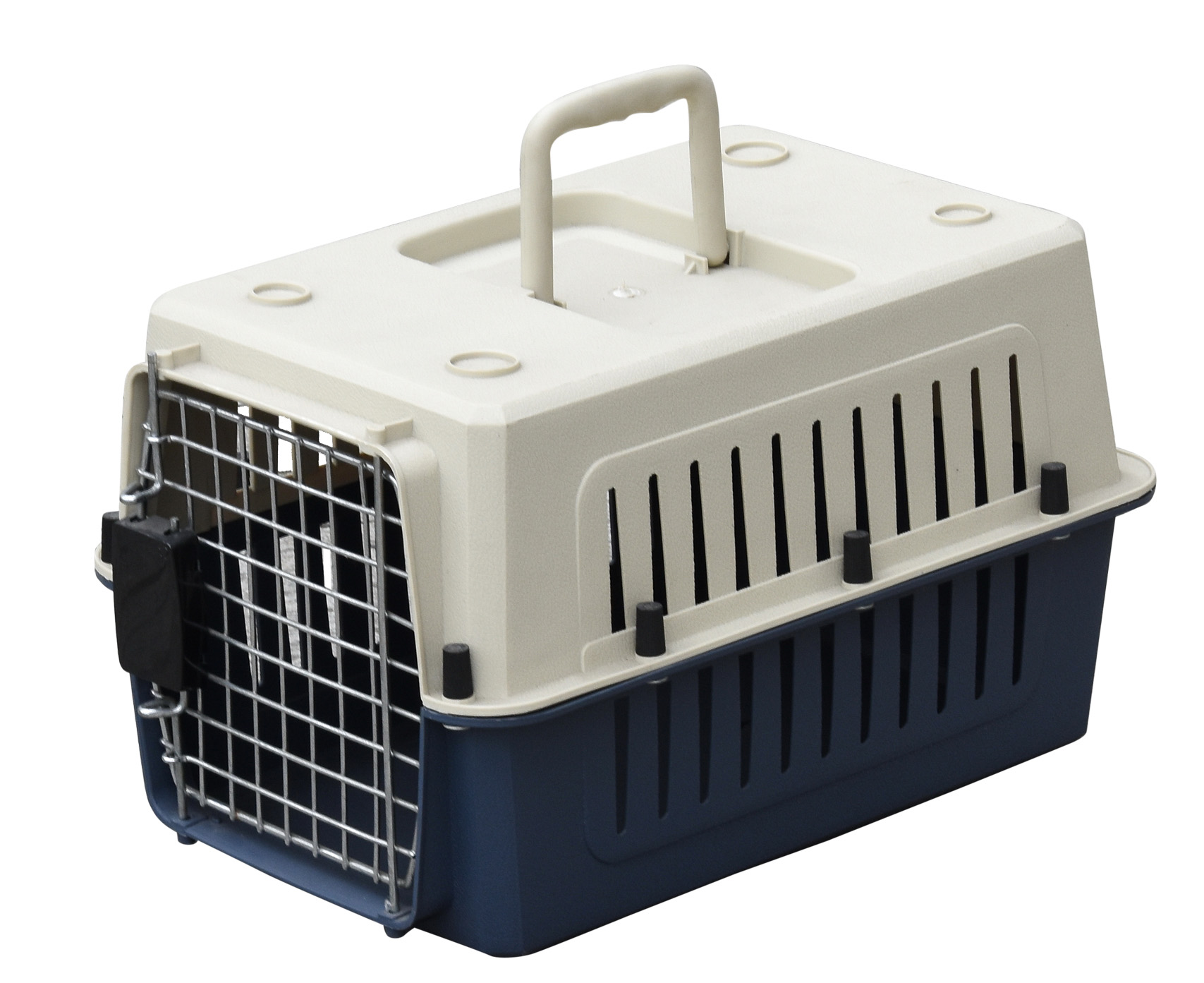
The pet product market continues to grow, with demand for plastic pet beds, toys, feeding bowls, and accessories. Injection molds for pet products must accommodate a variety of shapes, sizes, and functional requirements.
Pet Bed Molding
Pet beds are typically large, bowl-shaped or rectangular products with rounded edges. The mold for a pet bed must address challenges related to large cavity size, uniform wall thickness, and structural strength. Side-sliding blocks may be incorporated to form specific contours or undercuts. Cooling channels are integrated into the mold frames to ensure uniform cooling and reduce cycle time.
Pet Toy Molding
Pet toys often have complex shapes with varying wall thicknesses and require surface quality that meets safety requirements. Mold design must consider the toy's function and dimensions. Key design considerations include material selection, structural design that is simple and compact for ease of processing and installation, and precision control.
Mold Construction
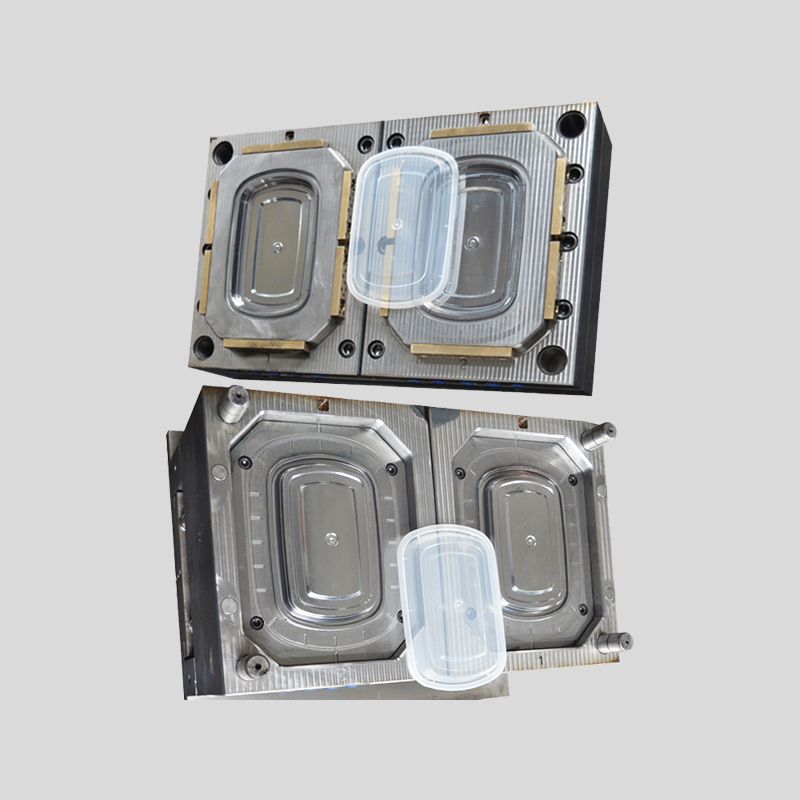
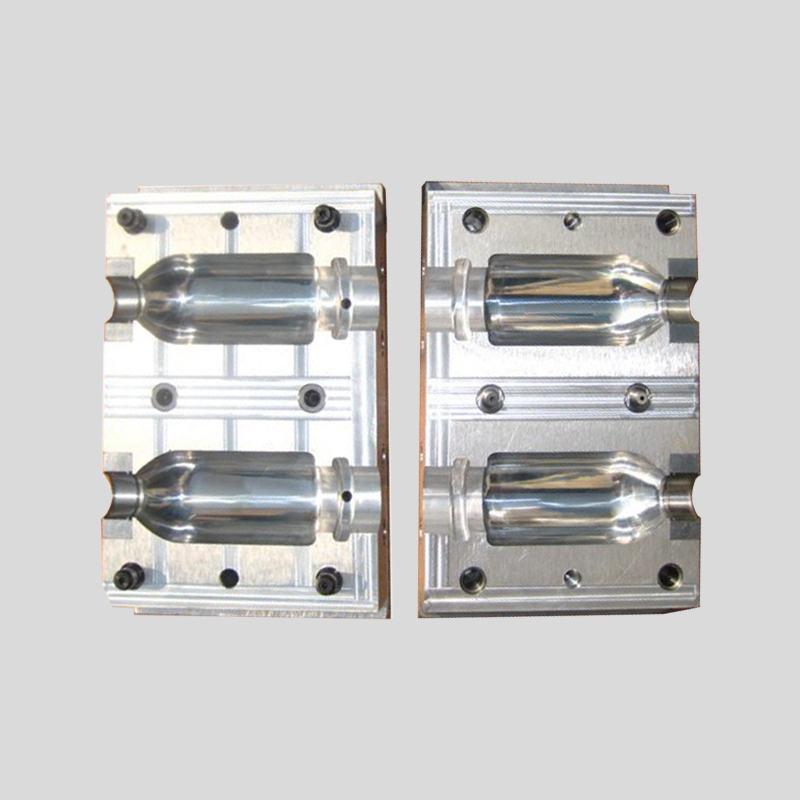
The pet product mold typically includes an upper mold frame, a lower mold frame, and a core that defines the product's interior shape. The cavity in the upper mold frame corresponds to the core geometry. Cooling channels are integrated into the mold frames to achieve uniform cooling.
Ejection System Design
For pet products with large surface areas or complex geometries, the ejection system must be carefully designed. Ejection pins with larger contact areas help prevent deformation and maintain the shape of the molded product.
Mold Base and Design Tools
Pet product molds are typically built with mold bases from LKM, HASCO, or custom designs. CAD, UG, PROE, and Solidworks are commonly used for mold design .
 86 - 576 - 84332017
 86 - 13634093909
 No. 85 Guangshun Street, Xinqian Street, Huangyan District, Taizhou City, Zhejiang