


 English
 عربى
عربى
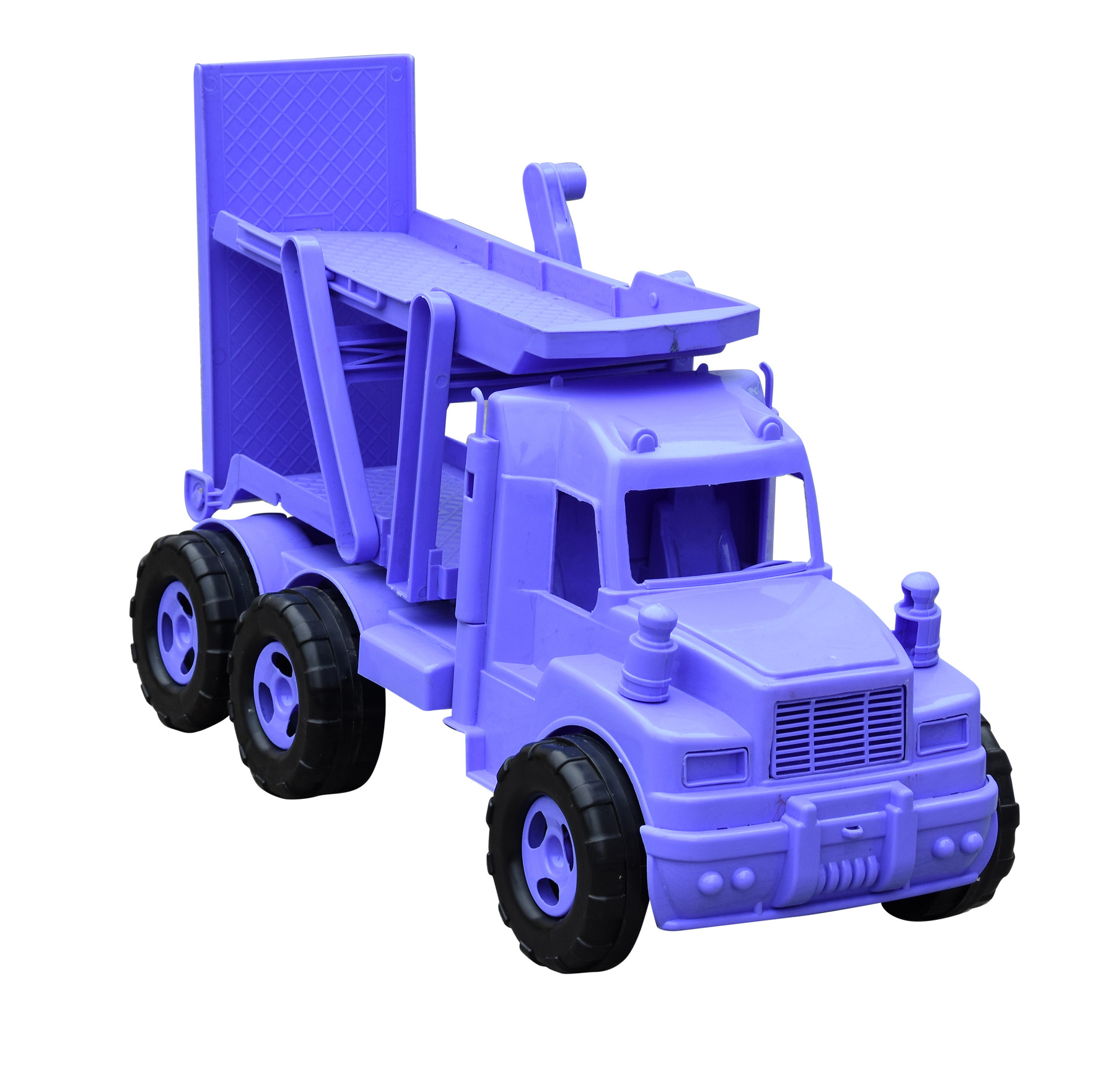
Plastic toy cars require injection molds that can form complex geometries including curved body panels, wheel housings, undercuts, and assembly features. The mold design must accommodate these features while ensuring consistent part quality and production efficiency.
Slide Core Mechanisms
Toy car molds frequently incorporate slide core mechanisms to form undercuts and side features. An inclined guide pillar slide core pulling mechanism is commonly used, with the slide groove positioned on the moving mold plate. The slide core slides into position during mold closing to form the undercut feature and retracts during mold opening to allow part ejection. The slide angle and travel distance are calculated based on the undercut geometry and the available space within the mold.
Lifter Mechanisms
For internal undercuts and complex internal features, lifter mechanisms may be employed. Lifters move at an angle during ejection to release the part from internal undercuts. The lifter angle and travel distance must be carefully calculated to ensure complete release without damaging the part. In some toy car molds, multiple lifters may be required to form complex internal geometries.
Gate Placement and Filling Analysis
Gate placement is critical for toy car molds to achieve complete filling of complex shapes without flow marks or weld lines on visible surfaces. Fan gates or submarine gates are commonly used depending on the part geometry and aesthetic requirements. Mold flow analysis software is typically used to simulate the filling process, identify potential issues, and optimise gate location and runner design.
Cooling System Design
Toy car molds require efficient cooling to maintain dimensional stability and minimise cycle time. Cooling channels are designed to follow the contour of the cavity and core, providing uniform heat extraction across the part surface. For complex geometries with varying wall thickness, additional cooling lines or cooling inserts may be required to achieve uniform cooling.
Ejection System
The ejection system must remove the finished part without damaging delicate features such as thin walls or decorative surfaces. A combination of ejector pins and ejector sleeves is commonly used. The ejector pins are arranged to apply force at locations where the part can withstand the ejection force without deformation.
Mold Steel and Surface Finish
Toy car molds are typically manufactured from pre‑hardened steel such as P20 or 718H. For high‑volume production, hardened steels such as H13 or 1.2344 may be specified to extend mold life. The cavity surface finish must be sufficient to achieve the required part appearance and allow easy release from the mold.
 86 - 576 - 84332017
 86 - 13634093909
 No. 85 Guangshun Street, Xinqian Street, Huangyan District, Taizhou City, Zhejiang